7 Signs You Need a Hot Water Cylinder Replacement in Dublin
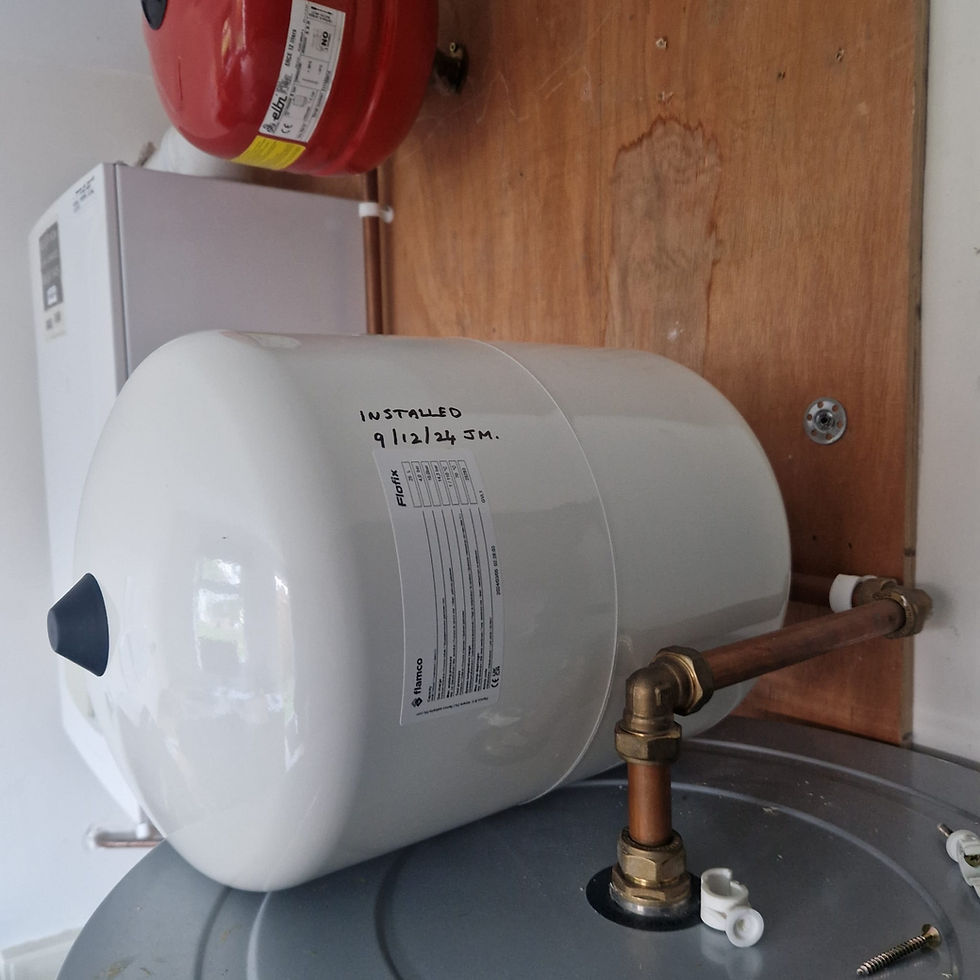
A reliable hot water cylinder is essential for every home in Dublin. It provides a steady supply of hot water for showers, baths, kitchens, and central heating systems.
However, like any plumbing and heating component, a hot water cylinder has a limited lifespan. Over time, wear and tear, corrosion, and efficiency issues can lead to frequent breakdowns and higher energy bills.
Knowing when to replace your hot water cylinder can help you avoid unexpected failures, costly emergency repairs, and disruptions to your daily routine. In this guide, we'll explore the seven most common signs that state it's time for a hot water cylinder replacement in Dublin.
Why Does Your Hot Water Cylinder Matters?
Your hot water cylinder plays a crucial role in storing and delivering heated water throughout your property. Whether you have a vented cylinder, unvented hot water cylinder, copper cylinder, stainless steel cylinder, or indirect hot water storage system, maintaining its performance is essential for:
Consistent hot water supply
Energy efficiency
Lower heating costs
Reliable central heating performance
Improved household comfort
When a cylinder begins to fail, the effects can quickly impact your entire plumbing and heating system.
When Do You Need a Hot Water Cylinder Replacement?
Here are the indications that state you need to replace your hot water cylinder sooner.
1. Your Hot Water Cylinder Is More Than 10–15 Years Old
One of the clearest signs that you may need a replacement is the age of your unit. Most hot water cylinders have an average lifespan of:
Copper cylinders: 10–15 years
Stainless steel cylinders: 15–25 years
Unvented cylinders: 15–20 years
If your cylinder is approaching or exceeding these age ranges, it no longer operate efficiently, even if it appears to be functioning normally.
Why Does Age Matters?
Older cylinders suffer from:
Internal corrosion
Reduced insulation performance
Sediment accumulation
Increased heat loss
Higher energy consumption
Replacing an ageing cylinder can significantly improve energy efficiency and hot water performance.
2. Rust, Corrosion, or Visible Damage Appears
Visible corrosion is a major warning sign that your cylinder's structural integrity is deteriorating.
Look for:
Rust spots
Green staining around fittings
Corrosion on pipe connections
Discolouration on the cylinder body
Flaking metal surfaces
What Causes Cylinder Corrosion?
Common causes include:
Water chemistry issues
Internal tank deterioration
Failed sacrificial anodes
Long-term moisture exposure
Age-related wear
Once corrosion begins, leaks follow shortly after. In most cases, hot water cylinder replacement is more cost-effective than repeated repairs.
3. You're Running Out of Hot Water Faster Than Before
Have you noticed shorter showers or hot water running cold sooner than expected? This indicates that your cylinder is no longer storing heat effectively.
Potential Reasons
Damaged internal components
Sediment build-up
Failed immersion heater
Insulation deterioration
Reduced storage efficiency
A new hot water cylinder can restore consistent water temperatures and provide greater storage capacity for modern household demands.
4. Frequent Leaks Around the Cylinder
Water pooling around your cylinder should never be ignored.
Common leak locations include:
Pressure relief valves
Pipe joints
Expansion vessels
Cylinder seams
Temperature relief fittings
When Is Replacement Necessary?
Minor valve issues may be repairable. But leaks originating from the cylinder tank itself indicate irreversible internal damage.
If you're repeatedly calling a plumber for cylinder leaks, investing in a hot water cylinder replacement in Dublin saves money in the long term.
5. Rising Energy Bills Without Increased Usage
An inefficient hot water cylinder can silently increase your energy costs. As cylinders age, they lose heat more quickly, forcing your boiler or heating system to work harder to maintain water temperatures.
Signs of Poor Efficiency
Higher gas bills
Increased electricity consumption
Longer heating cycles
Excessive standby heat loss
Reduced boiler efficiency
Modern insulated hot water cylinders are designed to retain heat more effectively. Thus, helping Dublin homeowners reduce annual energy expenses.
6. Strange Noises Coming From the Cylinder
Unusual sounds state internal problems.
You may hear:
Banging noises
Rumbling sounds
Whistling
Popping
Gurgling
Common Causes
These noises are caused by:
Limescale accumulation
Sediment deposits
Pressure fluctuations
Heating element issues
Restricted water flow
Dublin's water conditions can contribute to mineral accumulation over time, adversely impacting cylinder performance and lifespan.
7. Repairs Are Becoming More Frequent and Expensive
If you're regularly paying for hot water cylinder repairs, replacement is the smarter investment.
Consider Replacement When:
Multiple components have failed
Repair costs continue increasing
Parts are difficult to source
The cylinder frequently breaks down
Hot water reliability is declining
A new cylinder provides greater reliability, improved efficiency, and peace of mind.
Benefits of Replacing Your Hot Water Cylinder
Upgrading your hot water cylinder offers several advantages:
Improved Energy Efficiency
Better Hot Water Performance
Reduced Risk of Emergency Breakdowns
Enhanced Property Value
Compatibility With Modern Heating Systems
New cylinders integrate more effectively with:
Gas boilers
Condensing boilers
Heat pumps
Solar thermal systems
Smart heating controls
Choosing the Right Hot Water Cylinder for Your Dublin Home
Several factors should be considered before replacing your cylinder:
Household Size
Larger families often require greater storage capacity.
Water Pressure
Your home's water pressure may determine whether a vented or unvented cylinder is most suitable.
Energy Efficiency Goals
Modern high-performance cylinders can reduce energy waste.
Available Space
Cylinder dimensions and installation location should be assessed carefully.
Future Heating Upgrades
Consider compatibility with renewable heating technologies and future energy-saving improvements.
Why Professional Installation Is Essential?
Replacing a hot water cylinder involves complex plumbing, heating, and safety considerations. Professional installation ensures:
Compliance with Irish regulations
Safe operation
Correct pressure settings
Proper insulation
Long-term reliability
Qualified heating engineers can also recommend the most suitable cylinder for your property's requirements.
Final Thoughts
Ignoring the warning signs of a failing hot water cylinder can lead to costly repairs, water damage, and unexpected loss of hot water. If your cylinder is ageing, leaking, inefficient, or struggling to meet your household's needs, it is the time to consider a replacement.
By identifying these seven signs early, Dublin homeowners can improve energy efficiency, reduce heating costs, and enjoy a reliable hot water supply for years to come. Investing in a modern
Replacing hot water cylinder is one of the most effective ways to enhance the performance of your home's plumbing and heating system. Choose Mullen Gas Services Ltd for accurate and efficient hot water cylinder replacement in Dublin. The company boasts experienced, local technicians and get the task done to perfection.


Comments